How Supervised AI Agents Automate Supplier Onboarding (and Where Humans Decide)
Supplier onboarding is full of repetitive work: collecting documents, reviewing questionnaires, routing approvals, and updating records. Supervised AI agents automate those tasks while keeping humans in control of every consequential decision. Learn how agentic procurement uses verified outcomes, drift detection, and a shared supplier record to accelerate onboarding without sacrificing governance.
By Jason Ma. Published . Updated
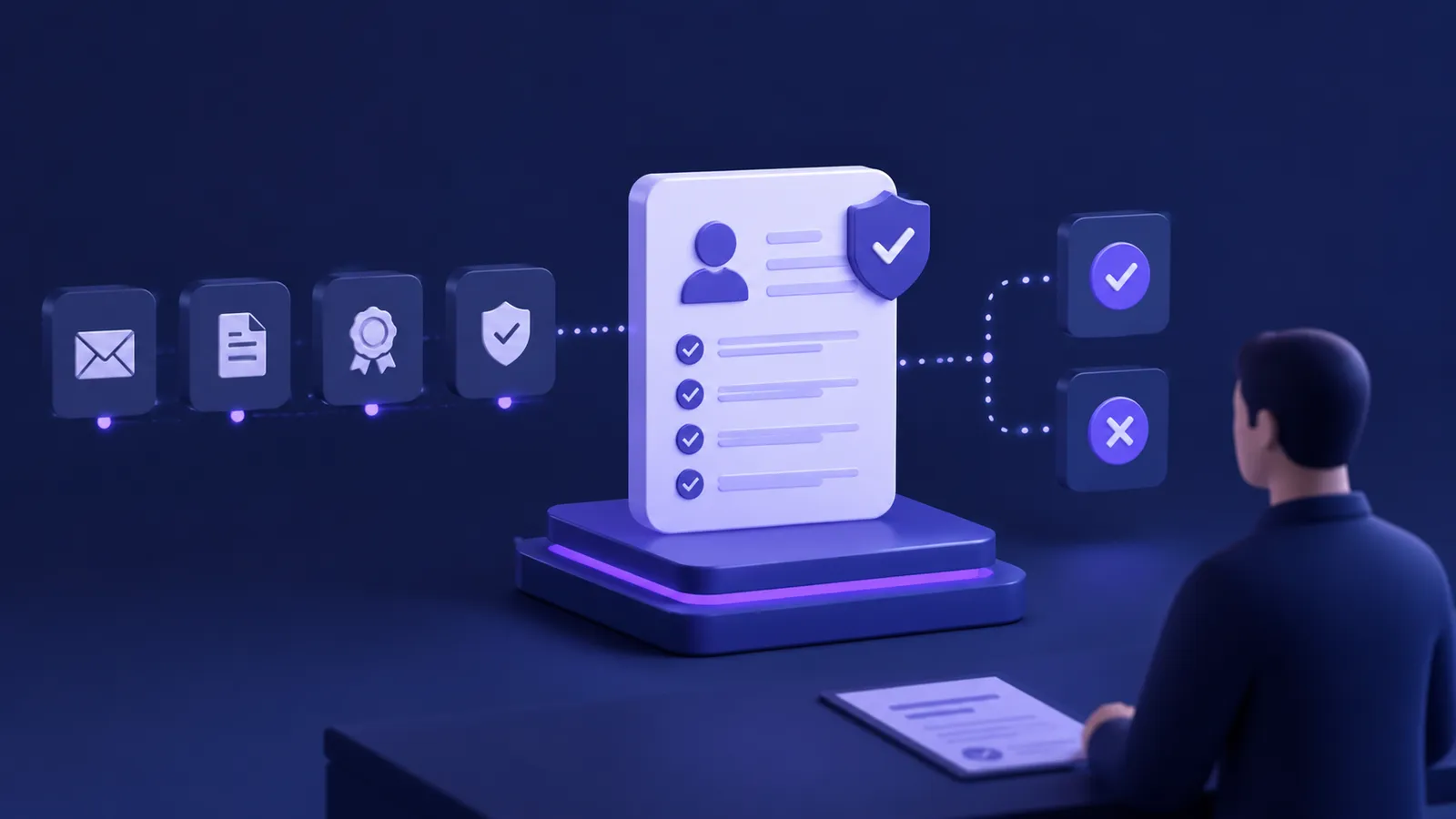
AI supplier management is moving from workflow automation to supervised agents that execute supplier onboarding tasks within human-defined governance. The difference matters: automation routes forms and triggers notifications, but supervised agents read documents, draft risk assessments, populate supplier records, and prepare decisions for human approval. The agent does the legwork. The human owns the outcome.
This article explains how supervised AI agents work in supplier onboarding, where the human decision points sit, and why owning the supplier record makes the difference between orchestration and execution.
What Supervised AI Agents Do in Supplier Onboarding
A supervised agent operates within a defined scope: it receives a task, executes a sequence of actions against a system of record, and surfaces a decision point to a human reviewer. In supplier onboarding, that means the agent can:
- Extract supplier details from intake forms, emails, or uploaded documents and populate the supplier master record.
- Request certifications (SOC 2, ISO 27001, insurance) and file them in the supplier's document vault with expiration tracking.
- Draft a preliminary risk assessment by reading the supplier's questionnaire responses, comparing them to policy thresholds, and flagging gaps.
- Route the supplier profile to the correct reviewers in procurement, legal, privacy, and security based on segmentation rules.
- Confirm that an approved supplier record matches what landed in the system, flagging any drift between the approval and the live state.
The agent does not approve the supplier, sign the contract, or override a policy control. It prepares the work so the human can make an informed decision in minutes instead of hours.
Where Humans Decide
Supervised agents stop at every consequential decision. In supplier onboarding, those decision points include:
- Approving the supplier for onboarding after reviewing the agent-drafted risk summary.
- Accepting or rejecting contract terms flagged by the agent as non-standard or high-risk.
- Signing off on a privacy impact assessment (PIA) or data processing addendum (DPA) after the agent surfaces data-handling risks.
- Deciding whether to waive a missing certification or require it before the supplier goes live.
- Confirming that the supplier's approved scope matches the access or spend authority granted in the system.
The agent surfaces the context, the human applies judgment. This is not full autonomy. It is supervised execution within governance.
Why the Supplier Record Matters
Supervised agents work because they act on a trusted system of record. In procurement automation software, that record is the supplier master: the single profile that holds the supplier's legal entity, certifications, risk rating, contract terms, data-handling scope, and approval history. Without that record, the agent has nowhere to write, nothing to verify, and no way to detect drift.
Platforms that orchestrate workflows across disconnected tools cannot verify outcomes. They can route a form to Slack, trigger a DocuSign envelope, and log an approval in a spreadsheet, but they cannot confirm that the approved supplier configuration actually landed in the ERP, the identity provider, or the contract repository. Supervised agents close that gap by owning the supplier record and reading it back after every action.
Verified Outcomes and Drift Detection
Two capabilities distinguish supervised agents from workflow automation: verified outcomes and cross-functional drift detection.
A verified outcome means the agent confirms that an approved action was executed correctly. If procurement approves a supplier with a spend limit of fifty thousand dollars and a contract term of twelve months, the agent checks that those constraints are reflected in the live supplier record. If they are not, the agent flags the discrepancy for human review.
Drift detection means the agent monitors the supplier record for changes that have no approved request behind them. If a supplier's risk rating changes, a certification expires, or a contract auto-renews without a documented approval, the agent surfaces the drift. This is not anomaly detection or behavior analytics. It is a simple question: does the current state match an approved decision?
How Supervised Agents Fit Into Agentic Procurement
Agentic procurement is the use of supervised agents to execute supplier-facing work across procurement, legal, privacy, and risk functions. The agents operate on a shared supplier record, within policies set by each function, and surface decisions to the right reviewer at the right time.
In practice, this means:
- Procurement sets supplier segmentation rules (low-risk, medium-risk, high-risk) and the agent routes onboarding tasks accordingly.
- Legal defines contract playbook terms, and the agent flags deviations for review.
- Privacy sets data-handling thresholds, and the agent drafts a PIA when a supplier processes personal data.
- Security defines certification requirements, and the agent requests and tracks them in the supplier vault.
The agent does not replace the reviewer. It removes the manual work between intake and decision, so the reviewer can focus on judgment instead of data entry.
What This Means for Procurement Teams
Supervised agents compress supplier onboarding from weeks to days by eliminating the coordination tax: the back-and-forth emails, the missing documents, the manual data entry, the approval chasing. The agent handles the legwork. The human decides.
This is not a replacement for a procurement intake process or a vendor risk assessment workflow. It is an execution layer on top of those processes, doing the work that does not require judgment but currently requires a person.
For procurement leaders evaluating AI supplier management platforms, the question is not whether the platform has agents. The question is whether the agents act on a system of record, verify their own outcomes, and stop at every decision that requires human judgment. Supervised agents are useful. Autonomous agents in procurement are not.
Related reading
- What AI Agents Can and Cannot Do in Procurement
- How Supervised AI Agents Manage the Supplier Document and Certification Vault
- How AI Agents Run Continuous Supplier Risk Monitoring
- Who Owns Supplier Master Data and How to Keep It Clean
- Supplier Lifecycle Management Stages and What Happens at Each One
Source: CIPS, the Chartered Institute of Procurement and Supply