What Is a Privacy Impact Assessment (PIA) and When Do You Need One?
A privacy impact assessment (PIA) evaluates how a vendor or system handles personal data. Learn when PIAs are required, how they differ from DPIAs, and who runs them.
By Jason Ma. Published . Updated
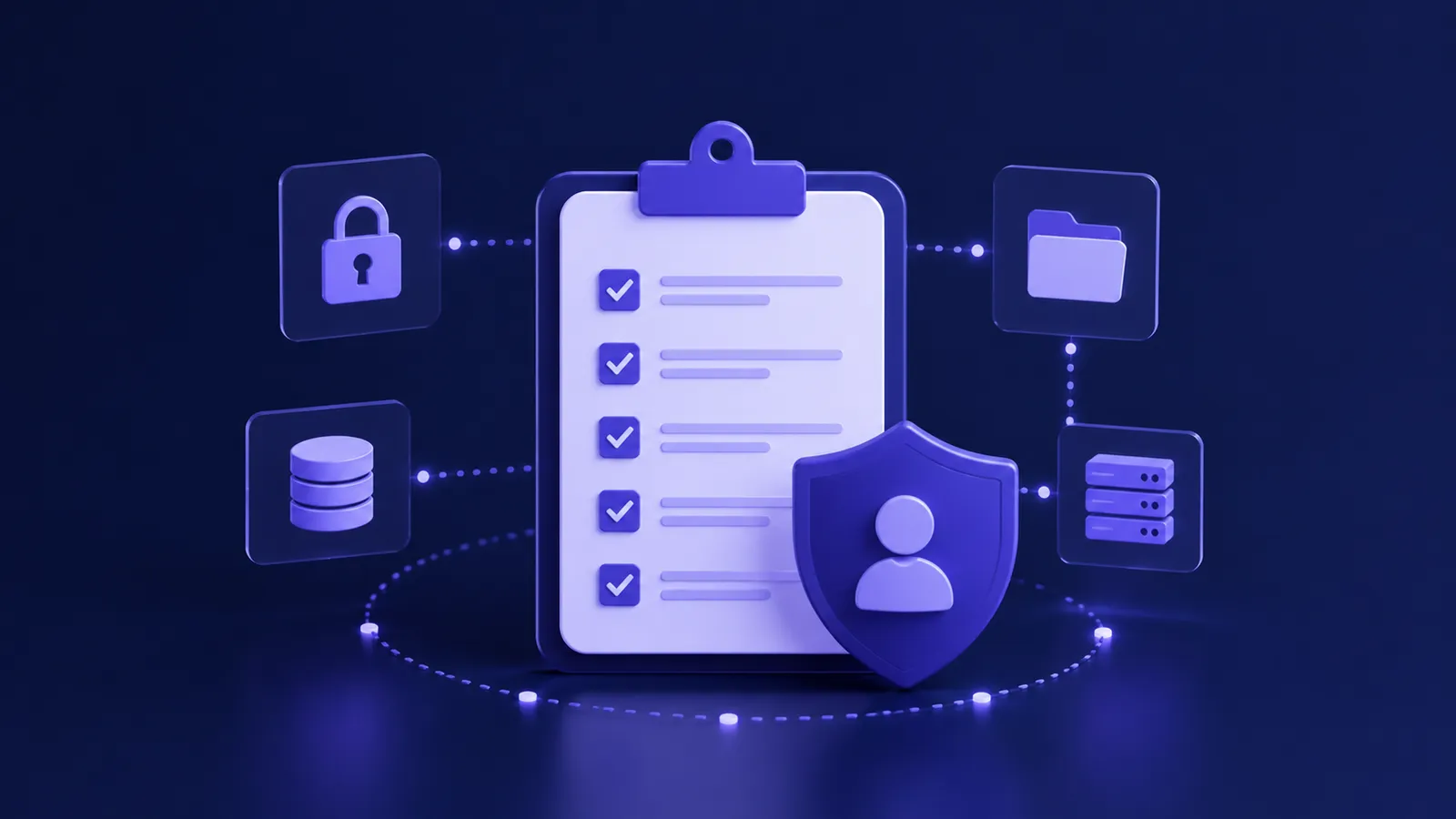
A privacy impact assessment (PIA) is a structured evaluation of how a vendor, system, or process collects, stores, and uses personal data. Organizations run PIAs to identify privacy risks before signing a contract or deploying a new tool. The assessment documents what data flows where, who has access, and whether the vendor's practices meet regulatory and internal standards.
PIAs are not optional paperwork. They are a control that protects the organization from data breaches, regulatory penalties, and reputational damage. When a vendor mishandles customer or employee data, the organization that hired them shares the liability. A PIA surfaces those risks early, when they can still be addressed through contract terms, technical controls, or a decision not to proceed.
When a Privacy Impact Assessment Is Required
Organizations typically require a PIA when a vendor or internal system will process personal data, especially if that data is sensitive, high-volume, or subject to regulation. Common triggers include:
- A vendor will access customer names, email addresses, payment information, or health records.
- The system processes employee data, such as performance reviews, compensation, or biometric identifiers.
- The vendor operates in a jurisdiction with strict data protection laws, or the organization does.
- The contract involves cross-border data transfers, particularly outside the EEA or to countries without adequacy decisions.
- The vendor will use the data for purposes beyond the immediate service, such as analytics, marketing, or training machine learning models.
Some regulations mandate a PIA or its equivalent. GDPR requires a Data Protection Impact Assessment (DPIA) when processing is likely to result in high risk to individuals. HIPAA-covered entities assess vendors under Business Associate Agreements. California's CPRA and other state laws impose similar obligations. Even when not legally required, a PIA is a best practice for any vendor that touches personal data.
PIA vs. DPIA: What Is the Difference?
A PIA is a general term for any privacy risk assessment. A DPIA is the specific assessment required under GDPR Article 35. The DPIA has a defined scope: it is mandatory when processing is likely to result in high risk, such as large-scale profiling, automated decision-making, or processing special categories of data.
In practice, many organizations use the terms interchangeably, or they run a single assessment that satisfies both internal PIA requirements and GDPR DPIA obligations. The key difference is that a DPIA has a regulatory threshold and must be documented in a specific way. A PIA can be lighter or heavier depending on the organization's risk appetite and the vendor's role.
Organizations subject to GDPR should assume that any vendor processing EU resident data at scale will trigger a DPIA. For vendors outside that scope, a PIA still provides value by documenting data flows and surfacing risks that might otherwise go unnoticed until after the contract is signed.
What a Privacy Impact Assessment Covers
A thorough PIA evaluates the vendor's data practices across several dimensions. The assessment should answer these questions:
- What personal data will the vendor process? This includes data types, volume, and sensitivity. A vendor processing only business email addresses presents different risks than one processing health records or financial account numbers.
- Where will the data be stored and processed? Geography matters for regulatory compliance and for understanding where data can be subpoenaed or accessed by foreign governments.
- Who has access to the data? The assessment should identify which vendor employees, subprocessors, and third parties can view or manipulate the data, and under what circumstances.
- How is the data protected? This includes encryption in transit and at rest, access controls, logging, and incident response procedures.
- How long will the data be retained, and how will it be deleted? Vendors that retain data indefinitely or lack clear deletion procedures create ongoing risk.
- What are the vendor's data breach notification procedures? The organization needs to know how quickly it will be informed if something goes wrong.
- Does the vendor use subprocessors, and are they disclosed? A vendor that passes data to undisclosed third parties introduces risk the organization cannot assess.
The PIA should also evaluate whether the vendor's practices align with the organization's own privacy policies and any commitments made to customers or employees. A vendor that sells data for advertising, for example, may be perfectly legal but inconsistent with the organization's public privacy stance.
Who Runs the Privacy Impact Assessment
Responsibility for the PIA typically falls to the privacy or legal team, often with input from security and procurement. In organizations with a Data Protection Officer (DPO), the DPO usually owns or oversees the assessment. In smaller organizations, the task may fall to the General Counsel or a compliance manager.
Procurement plays a critical role by identifying which vendors need a PIA and routing them to the right reviewer. A vendor intake form should include questions that flag privacy risk, such as whether the vendor will access personal data, where data will be stored, and whether the vendor is a processor or controller under GDPR. Those flags trigger the PIA workflow.
The vendor also participates by completing a questionnaire or providing documentation such as a privacy policy, data processing agreement, or SOC 2 report. The quality of the vendor's responses determines how much additional diligence is required. A vendor with clear documentation and strong controls can move through the PIA quickly. A vendor with vague answers or missing policies requires deeper investigation or may be rejected outright.
How Privacy Impact Assessments Fit Into Vendor Onboarding
The PIA is one review in a broader vendor onboarding process. It runs in parallel with security assessments, legal contract review, and procurement approvals. The challenge is coordinating these reviews without creating bottlenecks or duplicating work.
In practice, the PIA often overlaps with the vendor risk assessment. Both evaluate the vendor's security posture, data handling, and compliance. Organizations that run separate privacy and security reviews should ensure the two teams share information and avoid asking the vendor the same questions twice. A shared vendor risk assessment workflow can route the vendor to privacy, security, and legal reviewers in sequence or in parallel, depending on the vendor's risk profile.
The PIA should happen early enough to influence the contract. If the assessment identifies risks, those risks should be addressed through contract terms, such as data processing addenda, audit rights, or limitations on subprocessors. A PIA that happens after the contract is signed is a compliance exercise, not a control.
Automating Privacy Impact Assessments with Supervised Agents
Privacy teams spend significant time on repetitive PIA tasks: sending questionnaires, chasing vendor responses, comparing answers to internal policies, and documenting findings. Supervised agents can handle much of this work while keeping a human in the loop for every decision.
An agent can send the PIA questionnaire to the vendor, parse the responses, and flag answers that indicate risk, such as cross-border data transfers or missing encryption. The agent can compare the vendor's privacy policy to the organization's requirements and surface discrepancies. It can draft the data processing agreement based on the vendor's responses and the organization's standard terms. At each step, a human reviewer approves the agent's work before it moves forward.
This approach reduces the time privacy teams spend on low-risk vendors while ensuring high-risk vendors receive full attention. The agent does the legwork; the human makes the call. Organizations using supervised AI agents for supplier onboarding can extend the same model to privacy reviews, running PIAs at scale without adding headcount.
Common Privacy Impact Assessment Mistakes
Organizations often treat the PIA as a checkbox exercise rather than a risk control. The vendor completes a questionnaire, someone files it, and the contract moves forward regardless of what the assessment revealed. This approach provides no protection. If the PIA identifies risks, those risks must be addressed or accepted through a documented decision.
Another common mistake is running the PIA too late. By the time the vendor reaches the privacy team, procurement may have already negotiated terms or the business may have committed to a launch date. The privacy team is then pressured to approve the vendor quickly, even if the assessment is incomplete. The solution is to integrate the PIA into the procurement intake process so that privacy review happens before commercial terms are finalized.
Organizations also fail to update PIAs when the vendor's practices change. A vendor that initially processed only email addresses may later request access to payment information or employee records. The original PIA no longer reflects the risk. PIAs should be refreshed when the scope of data processing changes, when the vendor is acquired, or when new regulations take effect.
Documenting and Storing Privacy Impact Assessments
The PIA should be documented in a way that allows the organization to demonstrate compliance if audited or investigated. The documentation should include the questionnaire, the vendor's responses, any supporting materials such as privacy policies or certifications, the risk analysis, and the decision to approve or reject the vendor.
This documentation should live in a system of record, not in email threads or shared drives. A supplier management platform that tracks the PIA alongside the contract, security assessment, and onboarding status provides a single source of truth. When a regulator asks how the organization assessed a vendor's privacy practices, the answer should be a document, not a search through old emails.
The PIA should also be accessible to the teams that need it. If the vendor later has a data breach, the security and legal teams will need to know what data the vendor had access to and what protections were in place. If the organization is audited, the compliance team will need to produce PIAs for all vendors processing personal data. A centralized system ensures that information is available when it is needed.
When to Reject a Vendor Based on the PIA
Not every vendor will pass the PIA. Some vendors lack basic controls, refuse to sign a data processing agreement, or cannot meet the organization's data residency requirements. In those cases, the organization should reject the vendor or require remediation before proceeding.
The decision to reject a vendor should be based on risk, not on a rigid checklist. A vendor with strong encryption and clear policies may be acceptable even if it uses subprocessors, as long as those subprocessors are disclosed and meet the same standards. A vendor with weak controls and vague answers may be unacceptable even for low-risk use cases.
The privacy team should document the decision and communicate it clearly to procurement and the business stakeholder. If the vendor is rejected, the organization should identify alternative vendors or accept the risk of not using the tool. If the vendor is approved with conditions, those conditions should be written into the contract and monitored over time.
Privacy Impact Assessments as a Continuous Control
A PIA is not a one-time event. Vendors change their practices, regulations evolve, and the organization's risk tolerance shifts. A vendor that was low-risk two years ago may now process more sensitive data or operate in a jurisdiction with new privacy laws.
Organizations should establish a cadence for re-assessing vendors, typically annually or when triggered by a material change. A vendor acquisition, a data breach, or a new product feature that processes personal data should all trigger a fresh PIA. The re-assessment does not need to be as detailed as the initial review, but it should confirm that the vendor's practices still meet the organization's standards.
This ongoing review is easier when the PIA is integrated into a supplier management system that tracks vendor status over time. The system can flag vendors due for re-assessment, store updated questionnaires and certifications, and alert the privacy team when a vendor's risk profile changes. Without that system, re-assessments are often forgotten until a problem surfaces.
Related reading
- How to Run a DPIA for a New Supplier Engagement
- What Is a Data Processing Agreement and When Do You Need One
- Contract Renewal Management Process and Who Should Own It
- What Is a Clause Library and How Procurement Uses It
- Vendor Due Diligence Checklist for Procurement and Risk Teams
Source: Regulation (EU) 2016/679 (GDPR)